
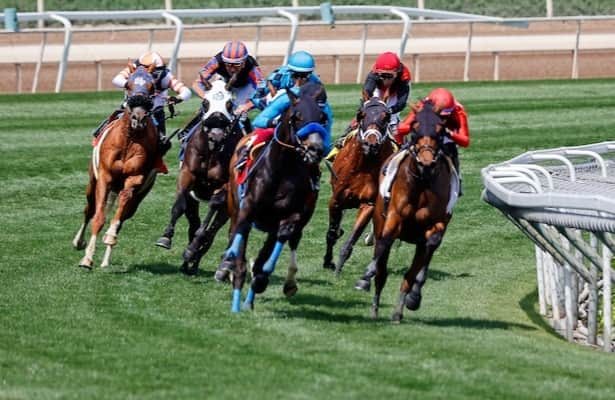
The Unforeseen Impact of British Horse Racing Cancellations
In recent years, the world of British horse racing has faced numerous challenges, leading to unexpected cancellations that have left fans and participants alike in a state of disarray. Whether due to extreme weather conditions, health concerns, or logistical issues, the absence of scheduled races can significantly impact various facets of the sport, as well as the broader economy connected to it. This article aims to delve deeper into the implications of these cancellations and how they affect the sport.British horse racing not on GamStop EquiFACS
The Heart of British Horse Racing
British horse racing is often referred to as the “Sport of Kings,” with a rich history dating back centuries. From the prestigious meeting at Ascot to the excitement of Cheltenham, horse racing events attract thousands of spectators and generate millions in revenue annually. However, the unpredictability of weather or unforeseen circumstances often leads to the cancellation of these eagerly awaited events.

Impact on the Sport
Cancellations can create a ripple effect throughout the sport. Trainers lose valuable training opportunities for their horses, and owners may find themselves questioning their investments. Amidst the pandemic, many racing events were called off, highlighting how fragile the system can be. The racing calendar often relies on a fixed schedule, and interruptions can lead to a loss of form for horses, who thrive on consistent racing practices.
Economic Consequences
The financial implications of these cancellations are significant. Horse racing is a cornerstone of the UK economy, contributing in excess of £3 billion annually. This revenue supports jobs not only within stables and tracks but also in the hospitality sector, local businesses, and tourism. When races are canceled, the losses can accumulate quickly, leading to potential job cuts and business closures within communities that rely heavily on race-day income.
Fan Engagement and Experience
Fans of horse racing are deeply passionate about the sport. Cancellations can lead to immense disappointment, not just for those planning to attend but also for those betting on the outcomes. Often, fans create social experiences around race days, gathering with friends or family to celebrate the events. The absence of racing disrupts this communal engagement, which is often as crucial to the sport as the racing itself.
Alternative Solutions and Innovations
In light of these challenges, the horse racing community has begun to explore alternative solutions. Virtual racing events have grown in popularity, allowing fans to engage with the sport even when physical races are canceled. Innovations such as improved weather tracking technology also play a role in anticipating potential disruptions, enabling organizers to make more informed decisions before events.
Looking Ahead
While the British horse racing landscape is fraught with challenges, it is also a testament to resilience. Many in the industry are pushing for reforms that not only safeguard the sport from future disruptions but also enhance fan engagement and overall sustainability. The ongoing conversation around the economic impact of cancellations is crucial for shaping policies that support the future of horse racing in the UK.
Conclusion
The unpredictability of British horse racing will always be an inherent part of the sport, but it’s how stakeholders adapt to these challenges that will determine its future. By acknowledging the impact of cancellations—from the economic effects to fan engagement—there lies an opportunity for growth and improvement. The desire of fans to support the sport remains unwavering, and the industry must work to ensure that their passion is matched by a robust and resilient racing calendar.
Ultimately, British horse racing is more than just a series of events; it’s a cultural phenomenon that brings together communities, encourages economic growth, and showcases the remarkable talent of both horse and rider. As we navigate the complexities of this beloved sport, the commitment to its preservation and advancement will be vital in securing its place for generations to come.